
Projects
Balanjero Tailings Project
Location
Province of Terni, in the Umbria region (near Turin)
Stage
PEA underway as part of MOU
Commodities
Nickel, Cobalt, Chromium, Iron, Copper
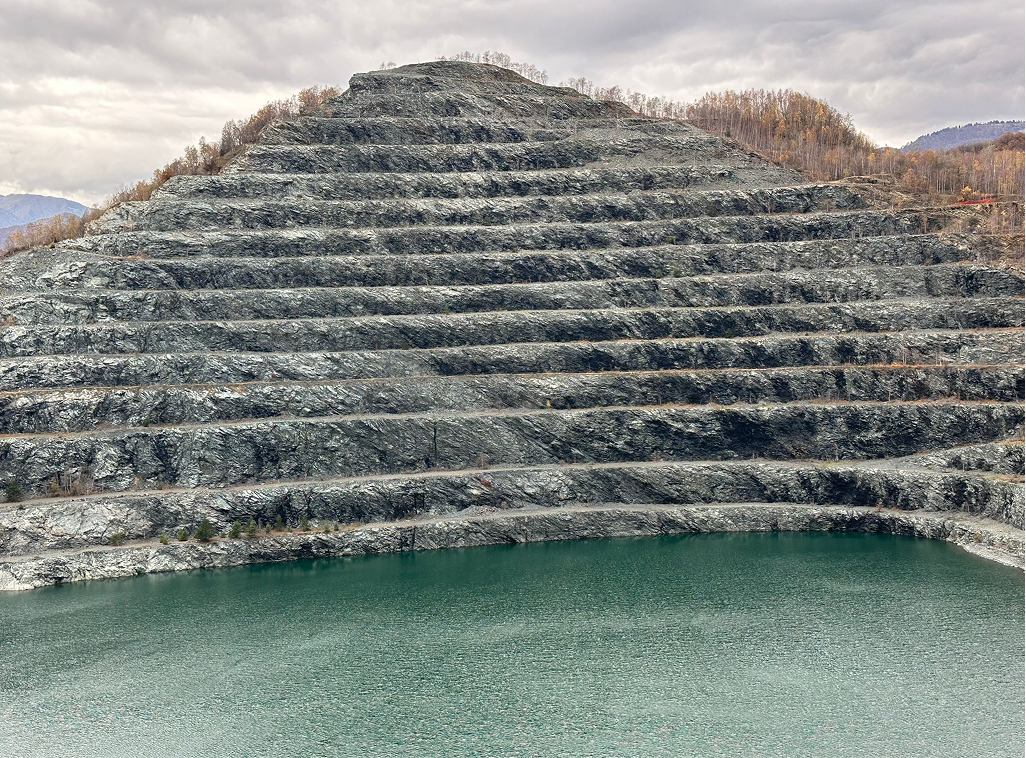
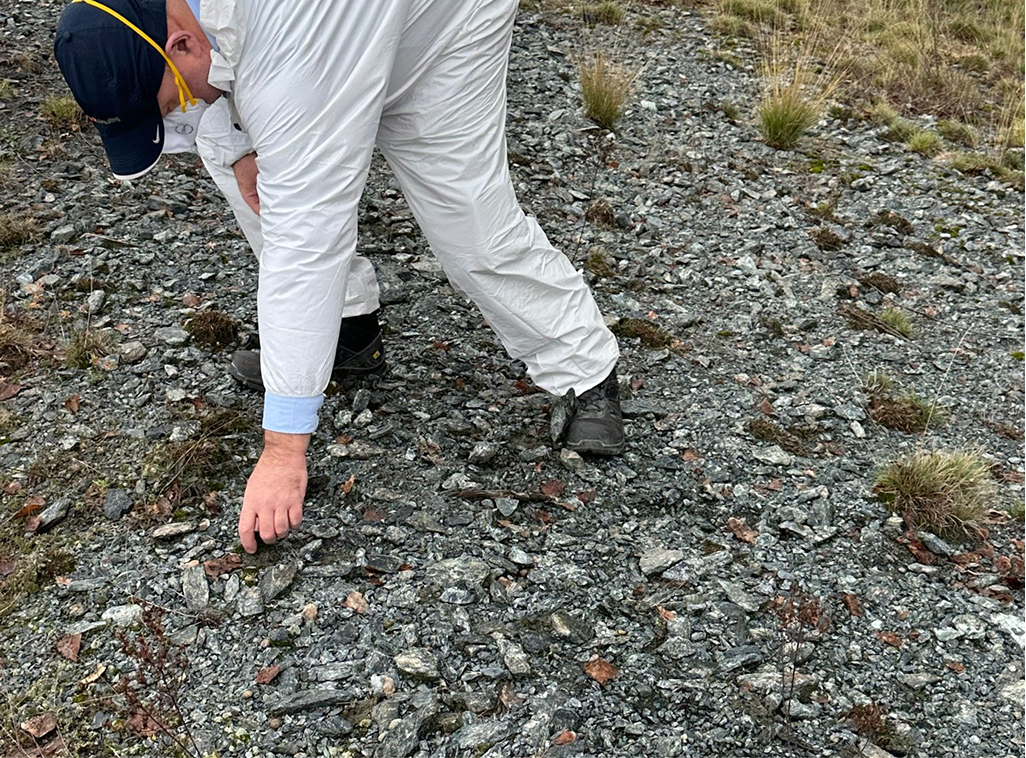
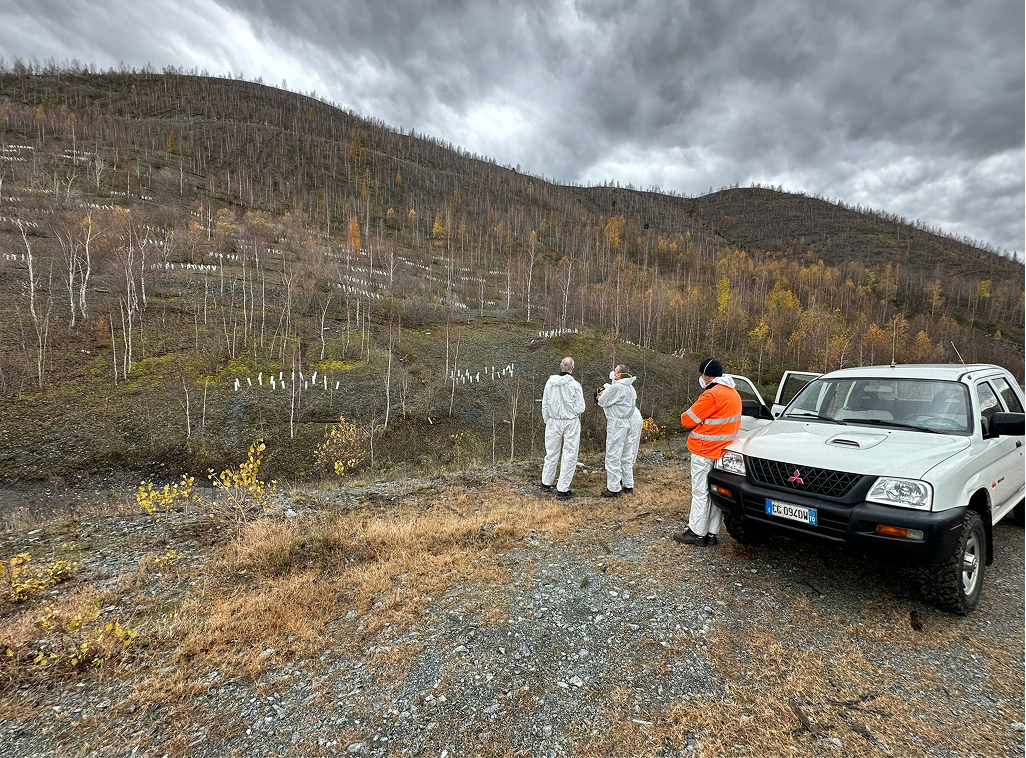
In October 2025, Aurania signed a Memorandum of Understanding (MOU) with Società per il Risanamento e lo Sviluppo Ambientale dell’ex Miniera di Amianto di Balangero e Corio (“RSA”) and Firestone Ventures Inc. to evaluate the recovery of critical metals from tailings at the former Balangero Asbestos Mine in northern Italy. The project will assess the potential extraction of nickel and cobalt—key materials for electric battery production under the EU Critical Raw Materials Act—alongside other valuable metals including chromium, iron, and copper.
The MOU also covers the evaluation of carbon capture solutions using the waste stream, with the goal of permanently neutralizing asbestos minerals and rendering the material environmentally safe. Firestone will lead the carbon capture component of the project. This one‑year evaluation program grants Aurania and Firestone exclusive access to the site for data collection and sampling. If results are positive, the parties intend to advance to a commercial agreement focused on metal recovery (Aurania) and separately carbon capture (Firestone), delivering both environmental remediation and sustainable resource development.
What Is AWARUITE?
Awaruite is a naturally occurring alloy of nickel and iron, which is remarkable for its nickel content (75-77%) and its natural properties. It is of high density and is highly magnetic; both of which lend themselves to easy extractive recovery. Compositionally it is Ni3Fe. It occurs in maybe 30 sites worldwide but is only abundant in a handful. It also occurs in meteorites.
Full project details
Risanamento e lo Sviluppo Ambientale dell’ex Miniera di Amianto di Balangero e Corio (“RSA”) have determined that the main dry-stacked tailings pile at Balangero contains approximately 60 million cubic metres of serpentinite waste rock (Oboni and others, 2011; doi:http://dx.doi.org/10.14288/1.0107741). This is material already excavated, milled, and heaped in a pile approximately 250 metres in height. It has been crushed to -10 cm, and the majority of the material is < 1 cm.
A rigorous determination of parameters has not yet been done, and as such, we stress caution; however, with a specific gravity of 2.55 as reported for average serpentinite by the United States Geological Survey (USGS) and a volume of 60 million cubic metres, circa 153 million tonnes of waste is considered to be in the waste pile. In a limited reconnaissance sampling program commissioned by Aurania in 2024, Maxime Dupéré (géo. Project Geologist, SGS Canada Inc. – Geological Services) reported an average of 0.15% nickel for the Balangero tailings. This agrees well with the published average of around 0.17- 0.18% (average of over fifty analyses, with minimum and maximum values respectively around 0.1 and 0.3 %) as reported by Prof. Steffano Zucchetti in 1966. Assuming an average grade of 0.15% Ni, the waste pile could contain circa 229,500 tonnes of nickel. There is also a second, older tailings and waste rock pile on the property that is possibly of similar dimensions.
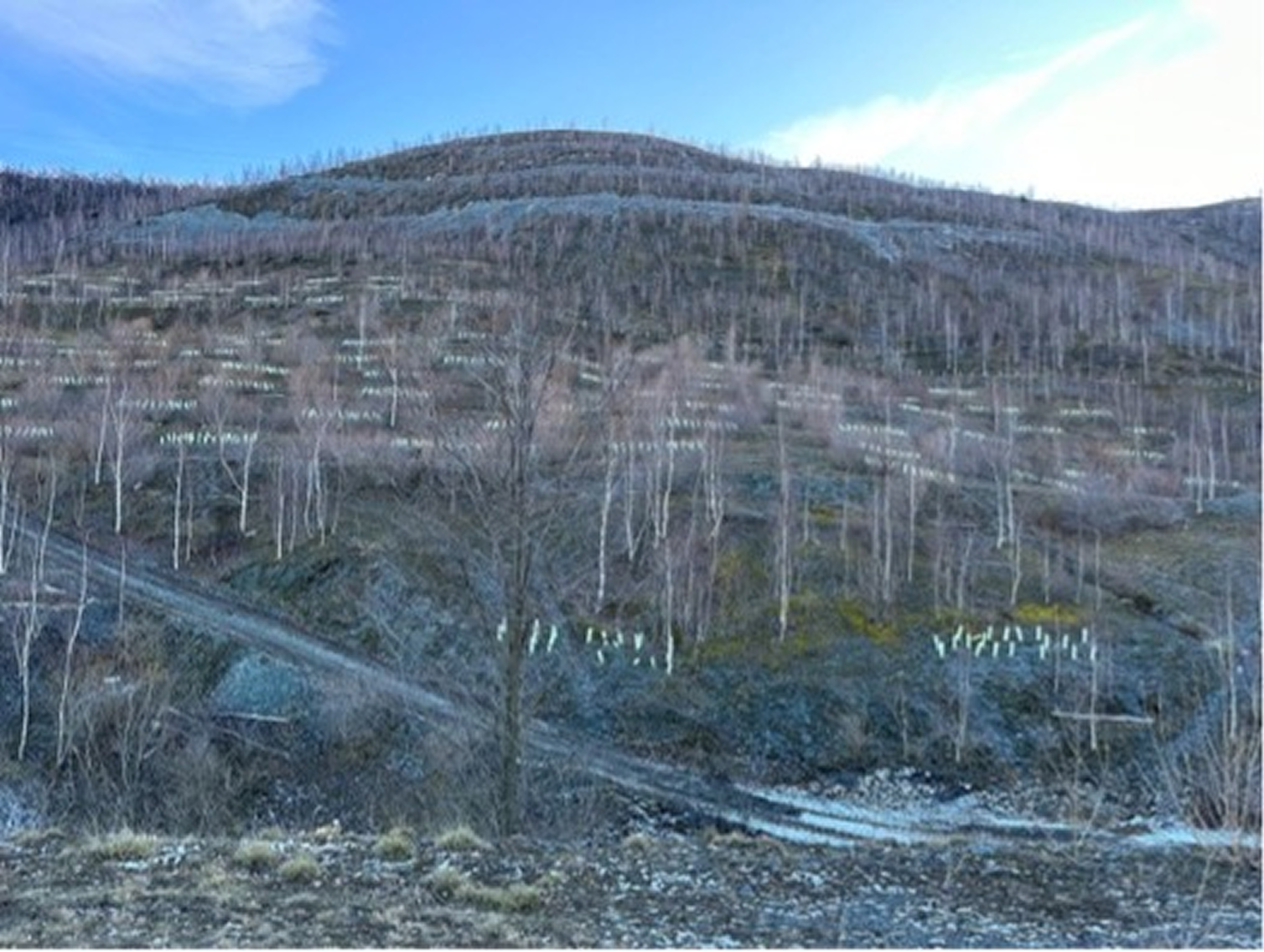
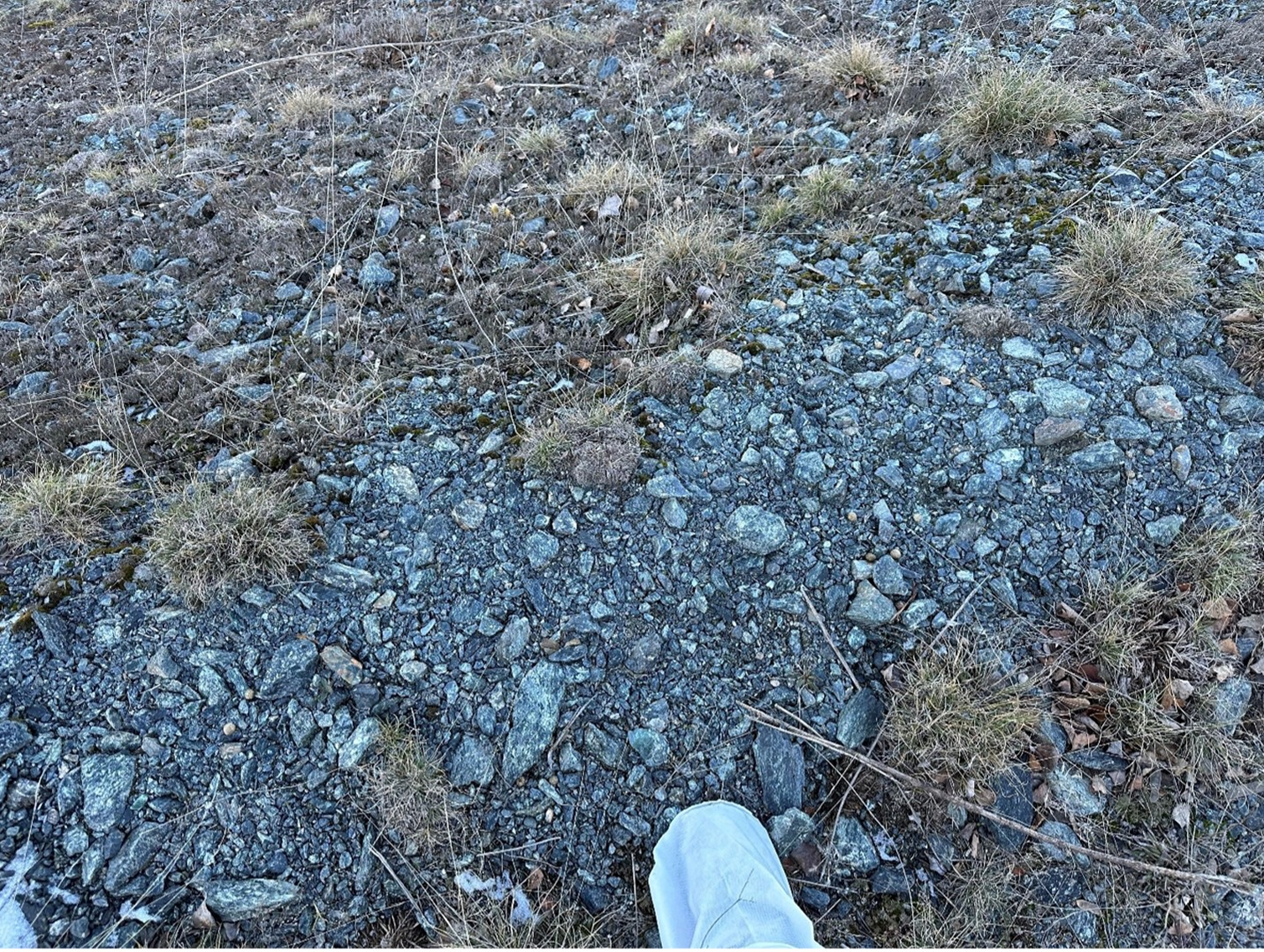
The Balangero tailings represent a potentially valuable, pre‑processed resource that has already been extracted, crushed, and dry‑stacked, requiring no additional drilling, blasting, or mining. The primary target mineral is awaruite, a naturally occurring nickel‑iron alloy containing approximately 77–83% nickel. With no sulphide content, the project qualifies as a “green nickel” recovery opportunity. Awaruite was first identified at Balangero in 1966, and the mine’s magnetic tailings were historically used as steel furnace feed during World War II.
A comprehensive test program is currently underway, with approximately 450 kg of material from across the site being analyzed at STEVAL in France. This work will provide detailed mineralogical characterization, assess grind and liberation requirements, and evaluate magnetic separation to determine recoverable metal grades. International consultancy firm SRK has been engaged to deliver a Preliminary Economic Assessment of the project’s mineral assets.
In parallel, Firestone has retained Dr. Chiara Boschi of IGG‑CNR (Italy) to develop a process that uses industrial carbon dioxide to permanently neutralize asbestos in the tailings while sequestering carbon. This approach builds on over 15 years of applied expertise in serpentinite carbonation. The project benefits from RSA’s two decades of successful site management and remediation, with no intention to reopen the Balangero mine. Instead, the focus is on responsible tailings retreatment that combines critical metal recovery, carbon capture, and environmental remediation.